
Location
Carrer d'Eduardo Primo Yúfera 1B, 46013 València, Spain.
Tickets
Adults typically around €37–40 at the box office; online and combo discounts available.
Hours
Usually 10:00–18:00, extended to 20:00 or later on weekends, holidays and summer.
The largest aquarium in Europe
Oceanogràfic opened in February 2003 as part of Valencia's City of Arts and Sciences, the landmark complex created largely by architect Santiago Calatrava. The aquarium's iconic water-lily-shaped roofs were the final work of the celebrated Spanish-Mexican architect Félix Candela. Covering around 110,000 square metres and holding roughly 42 million litres of water, it is widely recognised as the largest aquarium in Europe.
The complex houses tens of thousands of animals from around 500 species, arranged by marine ecosystem across a series of indoor and outdoor buildings connected by landscaped paths and lagoons.
Signature exhibit: the Oceans tunnel
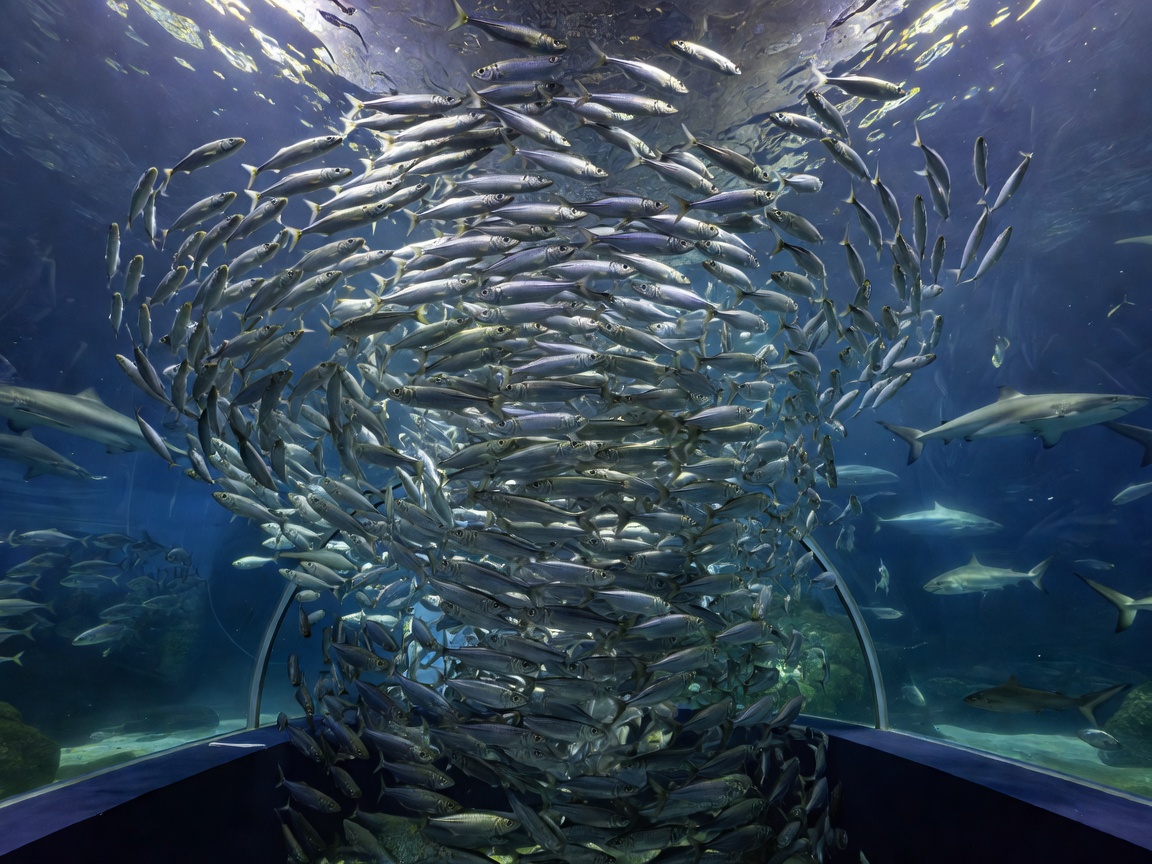
The Oceans building contains one of the longest underwater tunnels in Europe at about 70 metres. Walking through it, visitors are surrounded by sand tiger sharks, rays, sea bream and large shoals of fish. It is the dramatic centrepiece of any visit and a favourite photography spot.
Oceanogràfic is less a single aquarium than a journey across the world's seas in one afternoon.
Ecosystems to explore
- Arctic: beluga whales and walruses in chilled habitats with underwater viewing.
- Antarctic: gentoo, chinstrap and rockhopper penguins in a sub-zero environment.
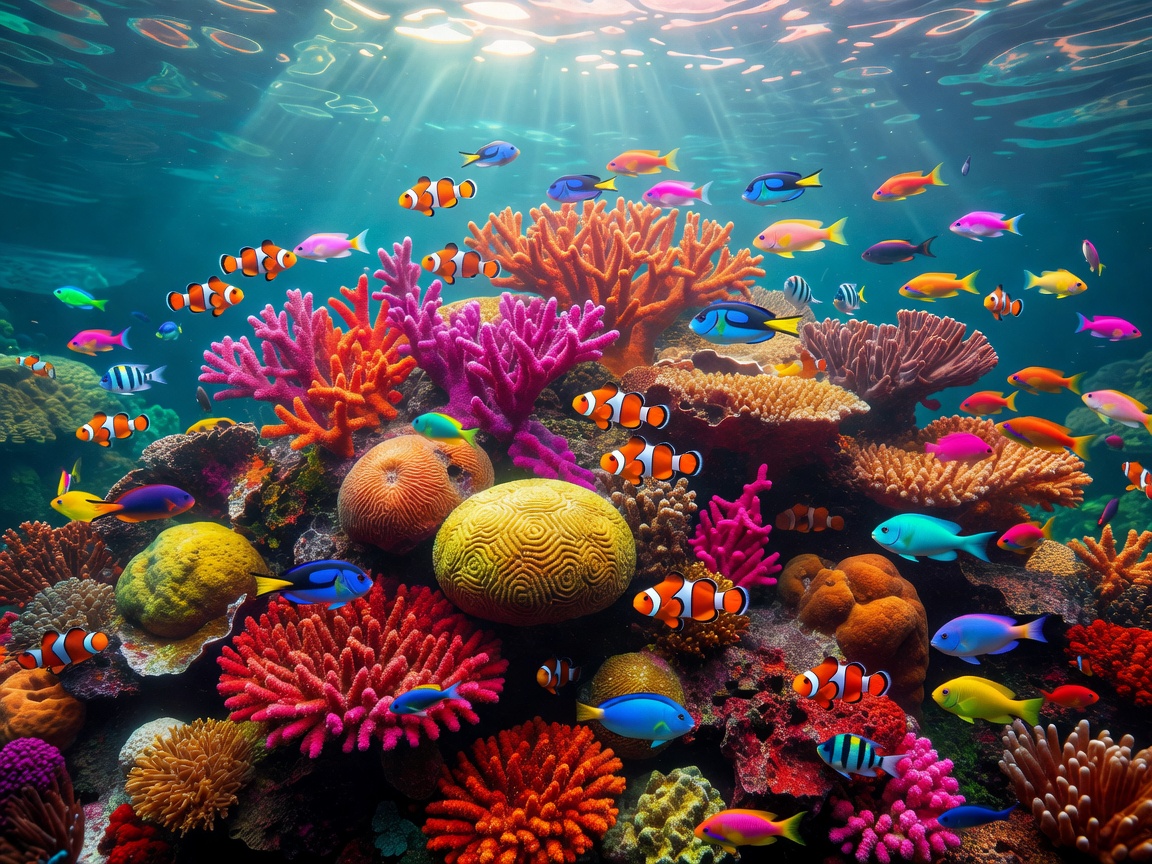
- Temperate & Tropical: colourful reef fish, moray eels, jellyfish and seahorses.
- Mediterranean: the region's native species, from octopus to groupers.
- Red Sea: a vibrant coral habitat with tropical reef species.
- Islands & Wetlands: outdoor areas with sea lions, turtles and an aviary of wetland birds.
Family activities
The dolphinarium — one of Europe's largest — hosts daily educational presentations. Children love the penguin habitat, the touch areas and themed workshops during school holidays. Special experiences such as sleeping beside the shark tunnel or behind-the-scenes tours can be booked separately. The entire site is step-free, with lifts and ramps connecting buildings.
Conservation & research
Through the Fundación Oceanogràfic, the aquarium runs research and rescue programmes across the Mediterranean. Its ARCA del Mar recovery centre rehabilitates injured sea turtles, cetaceans and other marine animals before returning them to the wild. The foundation has also participated in loggerhead sea turtle nest relocation projects along the Valencian coast and supports scientific studies on marine pollution and climate impacts.
✅ Pros
- Europe's largest aquarium with huge variety
- Spectacular Félix Candela architecture
- Combined tickets with the Science Museum and Hemisfèric
- Good value for a full-day outing
⚠️ Cons
- Lots of walking between outdoor pavilions
- Can be hot in summer — bring water and a hat
- Dolphin shows divide opinion among visitors
Insider tips
- Allow at least 4–5 hours; the site is enormous.
- Book online in advance to save on the box office price.
- Visit the indoor Arctic and Oceans buildings during the hottest part of the day.
- Walk or cycle through the Turia Gardens to reach the City of Arts and Sciences.
Prices, hours and programs change regularly. Always verify on the official website before you travel.