
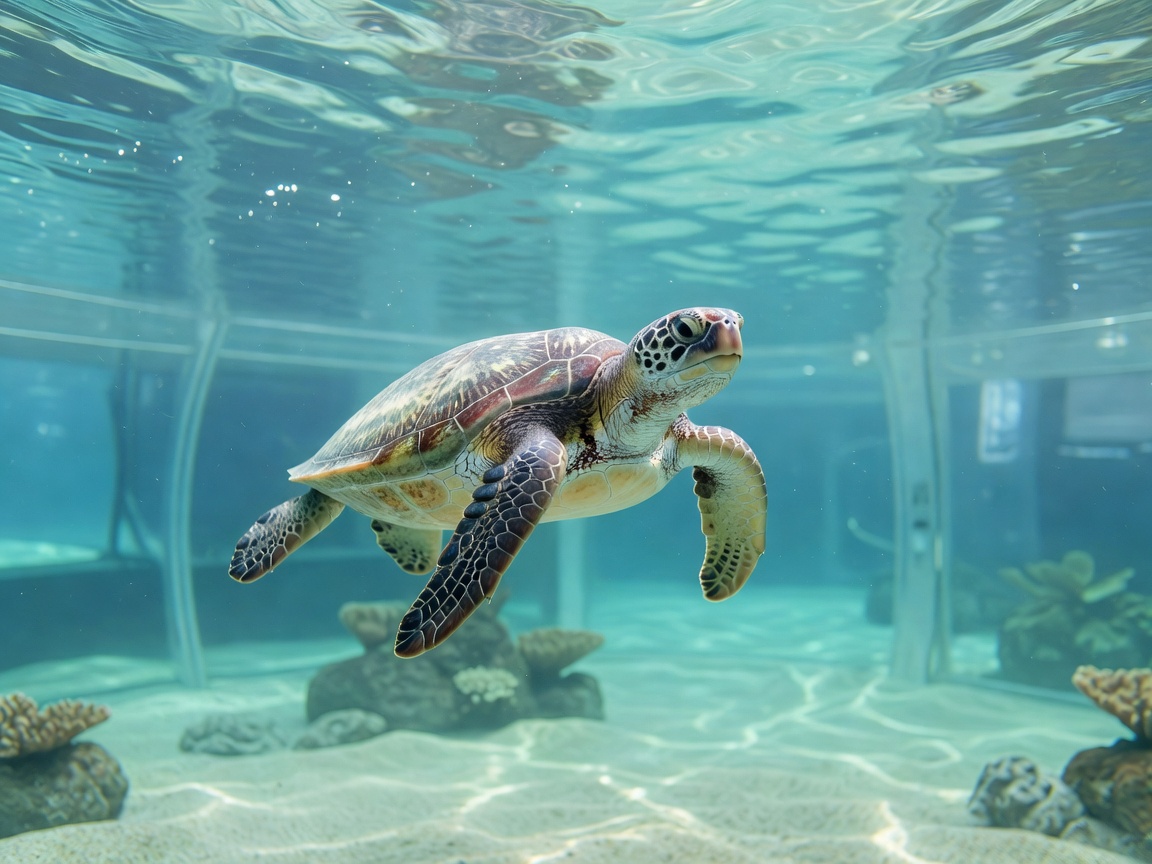
The best aquariums of the 21st century are no longer simply places to look at fish. Accredited institutions now function as conservation hubs — rescuing injured animals, breeding threatened species, funding field research and shaping how millions of people think about the ocean. Here are the five pillars of modern aquarium conservation, illustrated by the aquariums in our top 5.
1. Rescue and rehabilitation
Many aquariums operate rescue centres for stranded or injured marine animals. Monterey Bay Aquarium's Sea Otter Program has cared for stranded southern sea otters since 1984, pioneering a surrogacy model in which non-releasable resident females raise orphaned pups for return to the wild. In Spain, Oceanogràfic's ARCA del Mar centre treats sea turtles injured by fishing gear, boat strikes and plastic ingestion before releasing them into the Mediterranean.
2. Breeding and husbandry breakthroughs
Successful breeding reduces pressure on wild populations and generates crucial biological knowledge. Okinawa Churaumi Aquarium achieved the world's first captive birth of a reef manta ray in 2007, providing rare insights into manta reproduction. Accredited aquariums also coordinate managed breeding programmes — such as the AZA's Species Survival Plans and EAZA's Ex-situ Programmes — to maintain genetically healthy populations of threatened species like African penguins.
Every successful birth behind the glass adds a page to our understanding of life in the wild.
3. Field research
Aquarium scientists work far beyond their buildings. Georgia Aquarium researchers have studied whale sharks in the wild and monitored bottlenose dolphin populations along the US Southeast coast. Monterey Bay Aquarium has tagged white sharks and Pacific bluefin tuna to understand their migrations, data that informs international fisheries management.
4. Sustainable seafood and policy
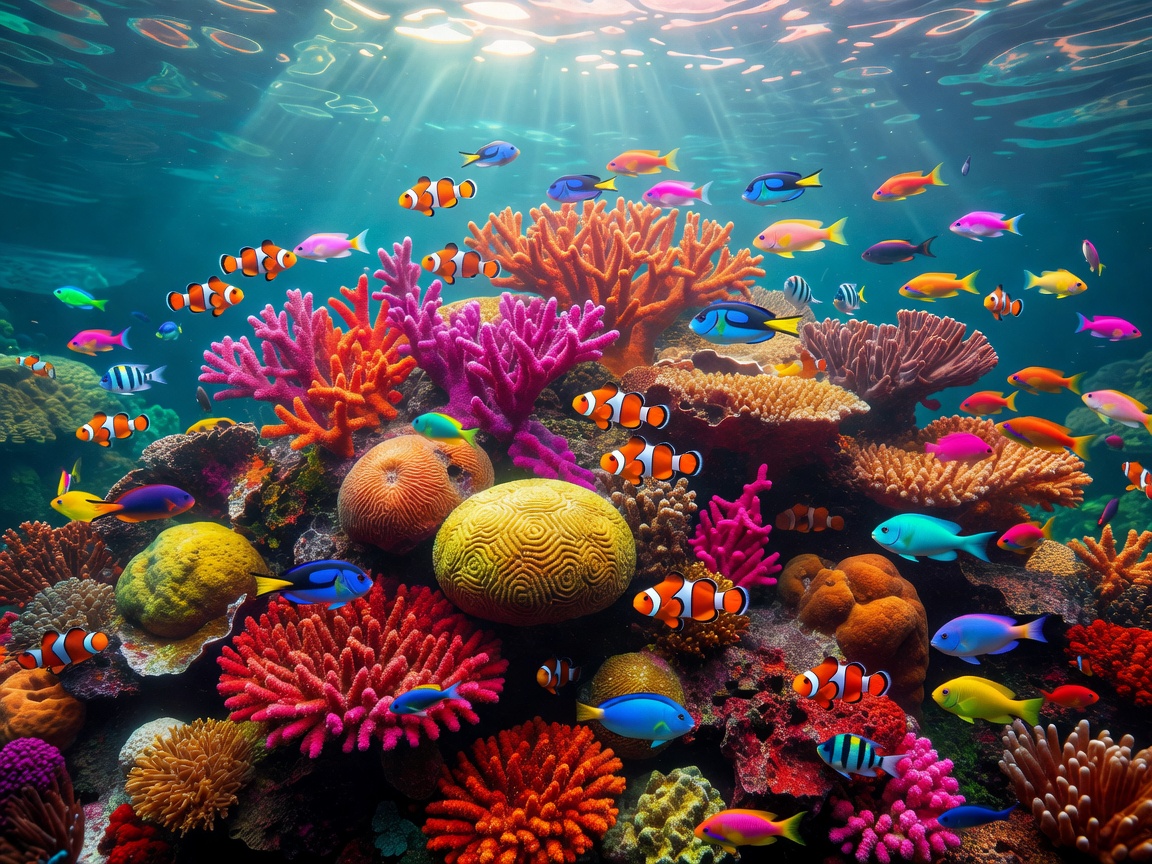
Monterey Bay Aquarium's Seafood Watch, launched in 1999, has become one of the world's most influential sustainable seafood programmes. Its science-based ratings — "Best Choice," "Good Alternative" and "Avoid" — guide consumers, chefs and major retailers. The aquarium also advocates for ocean policy at state, national and international levels, including measures to tackle plastic pollution and climate change.
5. Ocean literacy and inspiration
Perhaps the greatest impact of aquariums is emotional. Seeing a sea otter crack a shell or a whale shark glide overhead creates a personal connection that statistics cannot. Lisbon Oceanarium, managed by Fundação Oceano Azul, runs extensive ocean literacy programmes in Portuguese schools, while the foundation campaigns for new marine protected areas.
How to choose an ethical aquarium
- Look for accreditation from bodies such as the AZA (Americas), EAZA (Europe) or JAZA (Japan).
- Check whether the aquarium publishes conservation and research reports.
- Ask how animals are sourced — rescue, captive breeding or sustainable collection.
- Prefer institutions that emphasise natural behaviour and education over entertainment alone.
What you can do
- Choose sustainable seafood using a trusted guide like Seafood Watch.
- Reduce single-use plastics, especially near coastlines.
- Join beach clean-ups or citizen science projects.
- Support accredited aquariums through memberships or donations.