
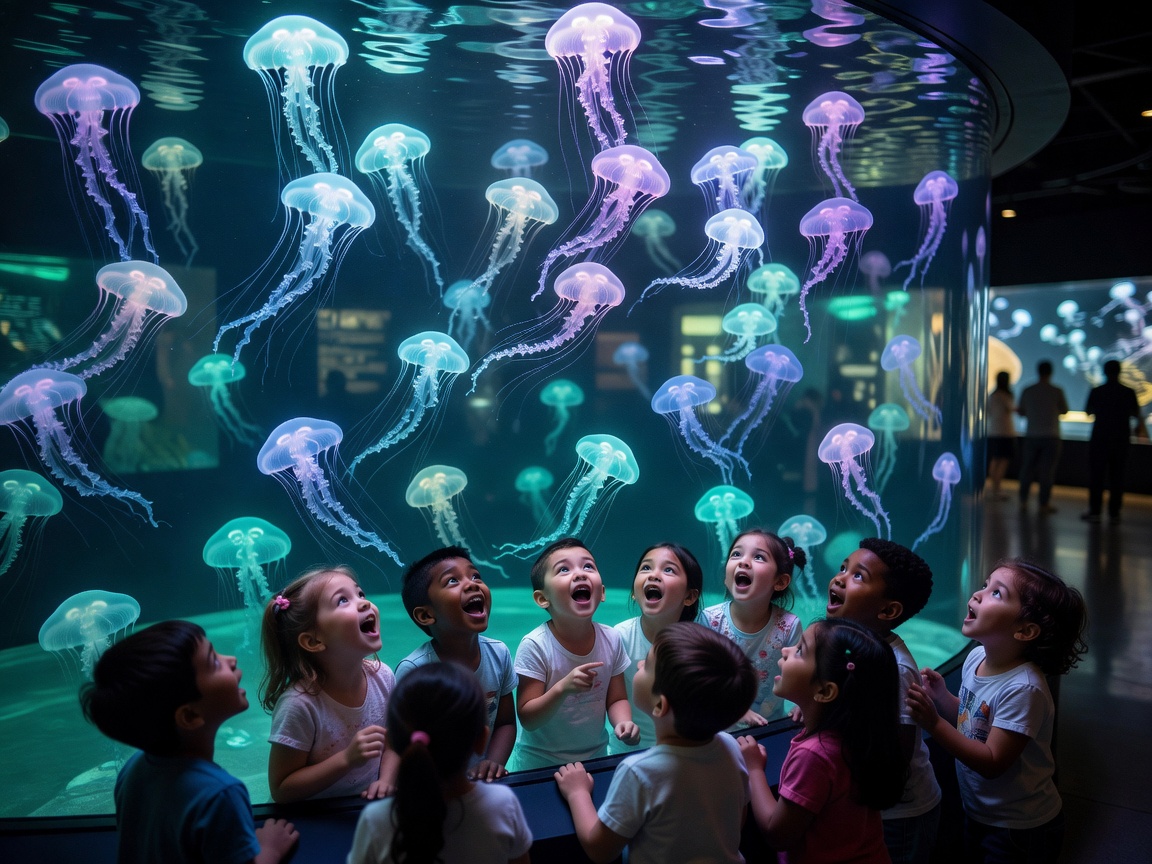
Aquariums are some of the best family destinations in the world: they're indoors, educational, accessible and full of genuine "wow" moments. But a successful family visit looks different for a two-year-old than for a fourteen-year-old. This guide breaks it down by age and shares practical tips from parents and aquarium educators.
Toddlers and preschoolers (ages 1–5)
Young children respond to movement, colour and touch. Keep visits to around two hours and focus on a handful of highlights rather than every gallery.
- Best pick: Monterey Bay Aquarium's Splash Zone, designed especially for young children with penguins and touchable reef animals.
- Seek out low-level windows and touch pools where small kids can see without being lifted.
- Bring a lightweight stroller — Lisbon Oceanarium's one-way, ramped route is ideal for buggies.
- Plan around nap times and arrive at opening when energy is high.
School-age children (ages 6–11)
This is the golden age for aquarium visits. Kids can read signage, ask questions and engage with talks.
- Best pick: Georgia Aquarium, where the Ocean Voyager tunnel and dolphin presentation create unforgettable memories.
- Give children a "mission": find a whale shark, a seahorse and a sea otter.
- Attend a keeper talk and encourage them to ask one question.
- Look for junior activity sheets or digital trails offered by many aquariums.
Teens (ages 12+)
Teens appreciate scale, drama and behind-the-scenes access.
- Best pick: Oceanogràfic Valencia, with its 70-metre shark tunnel and Arctic belugas.
- Consider behind-the-scenes tours or animal encounters for older children.
- Encourage photography challenges — the best no-flash shot of the day wins dessert.
- Connect the visit to careers in marine biology, veterinary science or conservation.
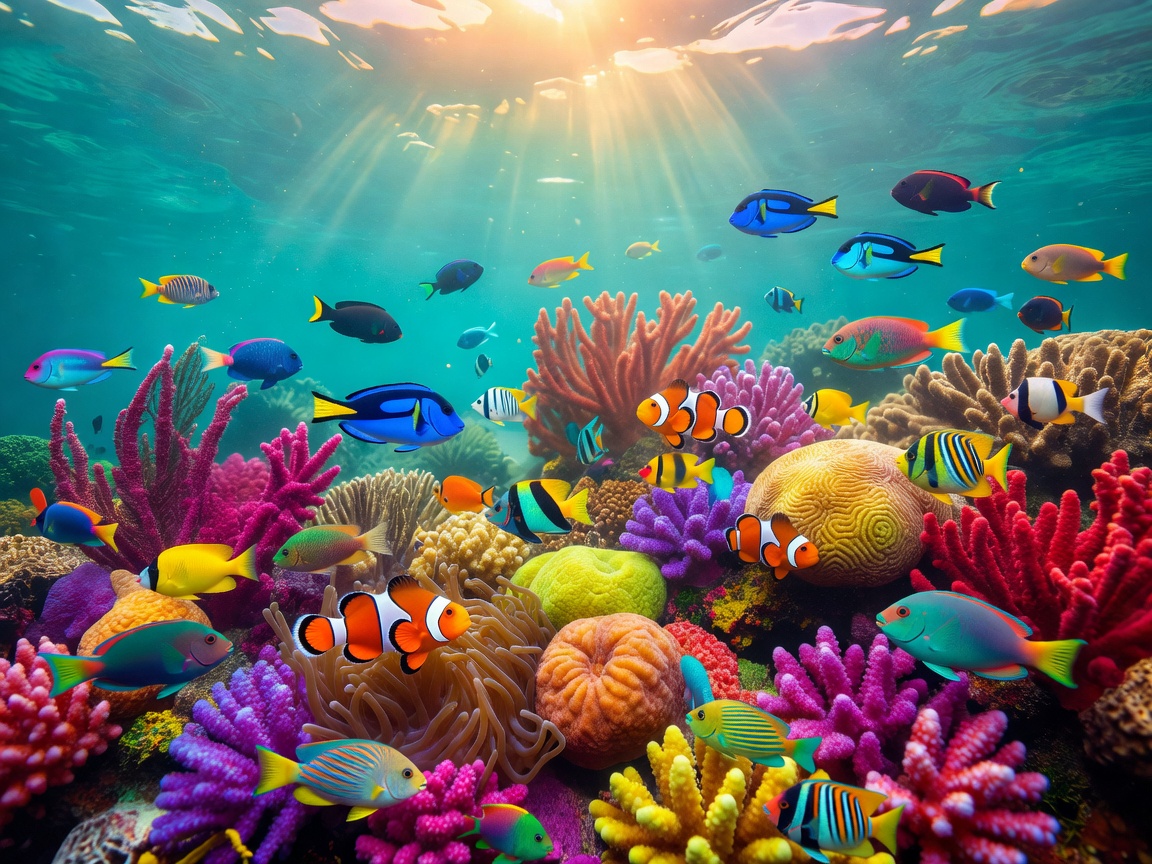
Sensory-friendly and accessible visits
Many aquariums offer sensory bags with noise-reducing headphones, quiet spaces and visual schedules. Some host early-access sensory-friendly hours. Contact guest services before your visit to ask about available support, and download maps in advance so children know what to expect.
Packing list for families
- Snacks and refillable water bottles (check each venue's food policy)
- A light jacket — polar galleries can feel chilly
- Wipes and hand sanitiser for after touch pools
- A small backpack instead of a large bag
- A printed or saved feeding schedule
Keep curiosity alive at home
Extend the experience after you leave. Watch the Monterey Bay Aquarium's free live animal cams, read picture books about ocean life, draw favourite animals, or start a family "ocean pledge" — such as reducing single-use plastics or choosing sustainable seafood using the Seafood Watch guide.
The best aquarium visit doesn't end at the exit — it sparks a lifelong love of the ocean.